


Eloquence

In the 100-year plan, having strong thoughts is not enough to bring about change and make an impact. Developing the right eloquence to influence others is key, and this requires a deep understanding of the need and nature of eloquence. The problems facing our ummah in the coming years can be attributed to a lack of effective communication and influence, which can be traced back to a lack of eloquence among previous generations.
To address these problems, a strong focus must be placed on developing Arabic language skills, as well as emotional intelligence. Arabic language skills will enhance our linguistic abilities and provide the tools necessary for effective communication. Emotional intelligence is important as it allows individuals to understand and respond to emotions in themselves and others, which can greatly impact their ability to influence and persuade others.
The nature of eloquence is the depth at which individuals must delve into the study of language and emotional intelligence to become effective communicators and influencers. This depth will determine the level of success in achieving the goals of the 100-year plan.
Arabic Language









Islamic Foundation



SKILLS & DEVELOPMENT













Frequently Asked Questions
Did not find the answer here? Contact our help and support team.
-
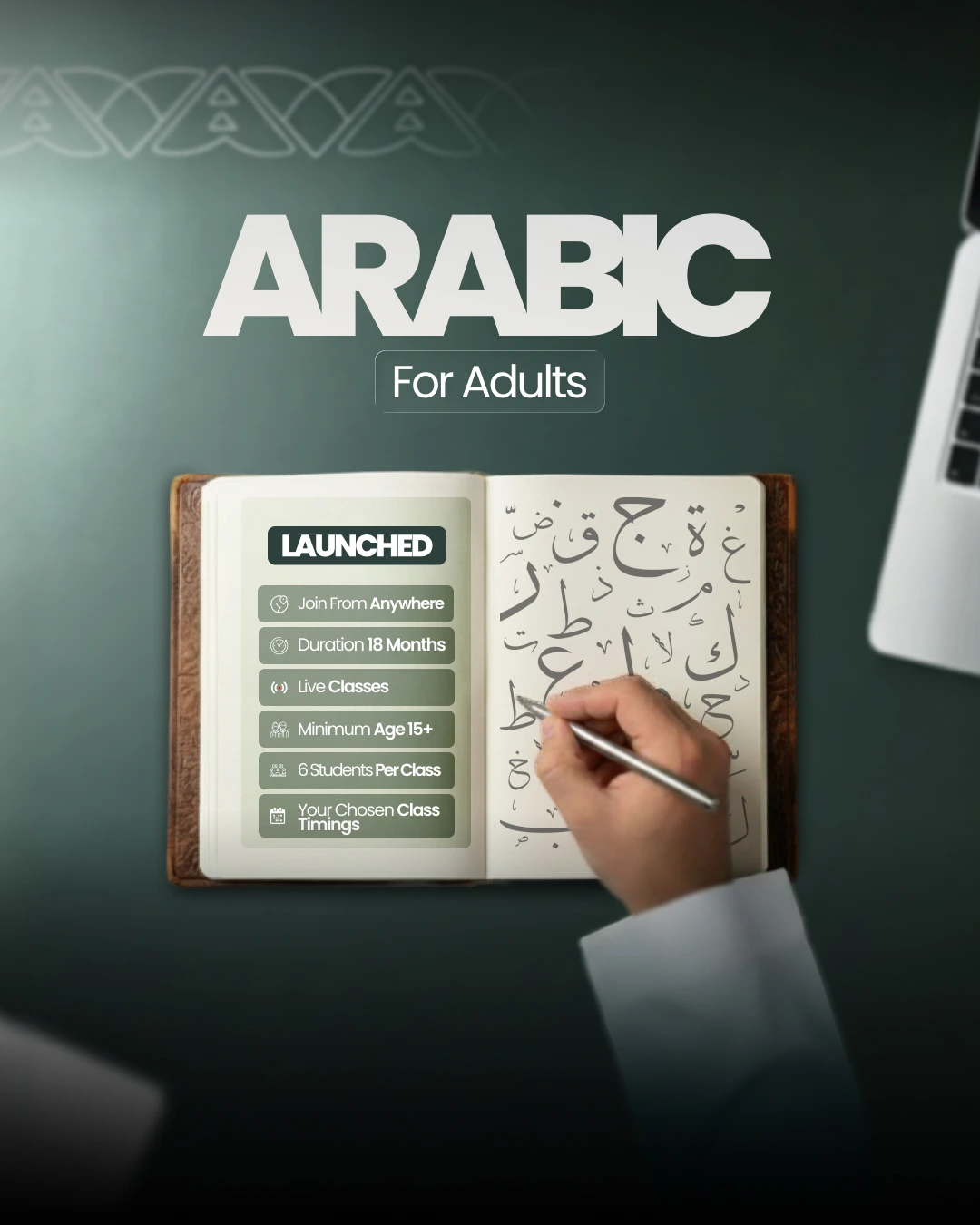
The goal of this online course is to help students build their confidence and mastery of the Arabic language, starting from the basics and gradually increasing in complexity. The course is designed to help students understand the language of divine literature and interpret it accurately, and to reduce the gap between their current knowledge and skills and what they need to achieve in this field.
-
For Muslims, it is important to understand Arabic because it is the language of the divine literature, including the Quran, hadith, and the works of classical and modern philosophers of divinity. A solid understanding of Arabic is essential for accurately interpreting and understanding these texts, which form the core of the Muslim faith.
-
Confidence in Arabic is important for Muslims because it allows them to engage with the divine literature with clarity and understanding. Without confidence in the language, there is a risk of misinterpretation or misunderstandings, which can lead to a lack of utility in the knowledge acquired. By building their confidence in Arabic, students can better understand the divine literature and deepen their faith.
-
The course starts with the basics of Arabic to ensure that students build a solid foundation in the language before moving on to more complex topics. By starting with the basics, students can develop their confidence quickly and avoid feeling overwhelmed or discouraged. This approach also allows students to focus on the fundamentals of the language and develop a deeper understanding of its intricacies over time.
-
Reducing the gap between knowledge and skills in Arabic is important because it ensures that students are able to put their knowledge into practice and make the most of their learning. By bridging this gap, students can develop a deeper understanding of the language and its applications, which is essential for accurately interpreting and understanding the divine literature.
-
Emotional intelligence refers to the ability to understand and manage your own emotions, as well as the emotions of others. It is important because it helps you make informed and responsible decisions, communicate effectively, and build positive relationships with others.
-
Emotional intelligence is a key skill for personal and professional development because it helps you understand the intricacies of human behavior, and the cause and effect of emotional deterioration. By developing your emotional intelligence, you can build stronger relationships, make better decisions, and communicate more effectively, which can lead to personal growth and success in your career.
-
An understanding of the current and future problems shows an immediate need for emotional intelligence to ensure that we remain emotionally correct as we develop ourselves and others. The lack of emotional intelligence in current and preceding generations has contributed to many of the bigger problems we foresee in the next 100 years. By developing emotional intelligence, we can help address these problems and create a better future.
-
The case study of the current Muslim ummah is significantly impacted by the lack of emotional intelligence in the general population. This lack of emotional intelligence has reduced the attraction of Islam as a philosophy and system, and has limited its ability to be adopted by other faith or systems. By developing emotional intelligence, Muslims can help enhance the attraction of Islam and promote its growth and impact.
-
Even at the expert levels of many fields, we see the lack of emotional intelligence as a barrier to attracting and instilling skills and knowledge. Emotional intelligence is important because it helps individuals understand and manage their emotions and the emotions of others, which is essential for effective communication and relationship building. By developing emotional intelligence, individuals can become more effective leaders, educators, and communicators, and can better attract and instill skills and knowledge in others.