
Are You sure you want to delete Member from list ?


In a fast-paced world of constant peer pressure and comparison, we often chase happiness like a mirage; restless, stressed, and never satisfied. Yet Allah promises: لَئِن شَكَرْتُمْ لَأَزِيدَنَّكُم “If you are grateful, I will surely increase you [in favor]” (14:7). The Prophet ﷺ embodied this, standing long in night prayers and saying: “Shall I not be a grateful servant?” (Bukhari 1130). Gratitude offers a powerful remedy by helping us value what we already have rather than endlessly seeking more.
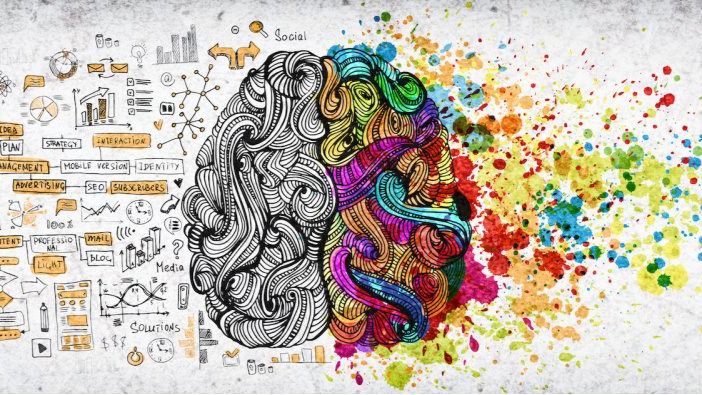
Gratitude is often seen as a virtue, but psychologists describe it as a long-lasting positive emotion. It activates brain regions such as the prefrontal cortex, ventral striatum, and anterior cingulate cortex, releasing dopamine and serotonin, enhancing mood and motivation, while boosting oxytocin, the bonding hormone which strengthens trust and relationships. At the same time, gratitude lowers cortisol, the stress hormone which promotes relaxation, slows the heart rate and supports the parasympathetic nervous system, acting as a natural antidepressant.
Just as exercise strengthens muscles, gratitude strengthens neural pathways linked to optimism and resilience. Studies show that cultivating gratitude reduces social comparison, fosters contentment, improves sleep, and enhances decision-making, productivity, and mental well-being, a high-value currency for today’s youth. Gratitude multiplies blessings inwardly and outwardly, guiding people towards a purposeful and balanced life.
References
1. The Qur’an. (n.d.). Surah Ibrahim, 14:7, Translation by Saheeh International 1997.
2. Ṣaḥīḥ al-Bukhārī, Kitāb al-Tahajjud (Book of Night Prayers), Hadith no. 1130
3. Emmons, R. A., & McCullough, M. E. (2004). The Psychology of Gratitude. Oxford University Press.
4. Russell, E., & Fosha, D. (2008). Transformational affects and core state in AEDP: The emergence of gratitude, joy, and pride. Journal of Psychotherapy Integration, 18(2), 167–190.
5. Zahn, R., Garrido, G., Moll, J., & Grafman, J. (2009). Individual differences in posterior cortical volume correlate with proneness to pride and gratitude. Social Cognitive and Affective Neuroscience, 4(4), 317–327.
6. Algoe, S. B., & Haidt, J. (2009). Witnessing excellence in action: The 'other-praising' emotions of elevation, gratitude, and admiration. Journal of Positive Psychology, 4(2), 105–127.
7. Burton, N. (2020). The Psychology of Gratitude: A Natural Antidepressant. Psychology Today.
Nighat Yasmin (EIB5)